Types of Dental Prostheses
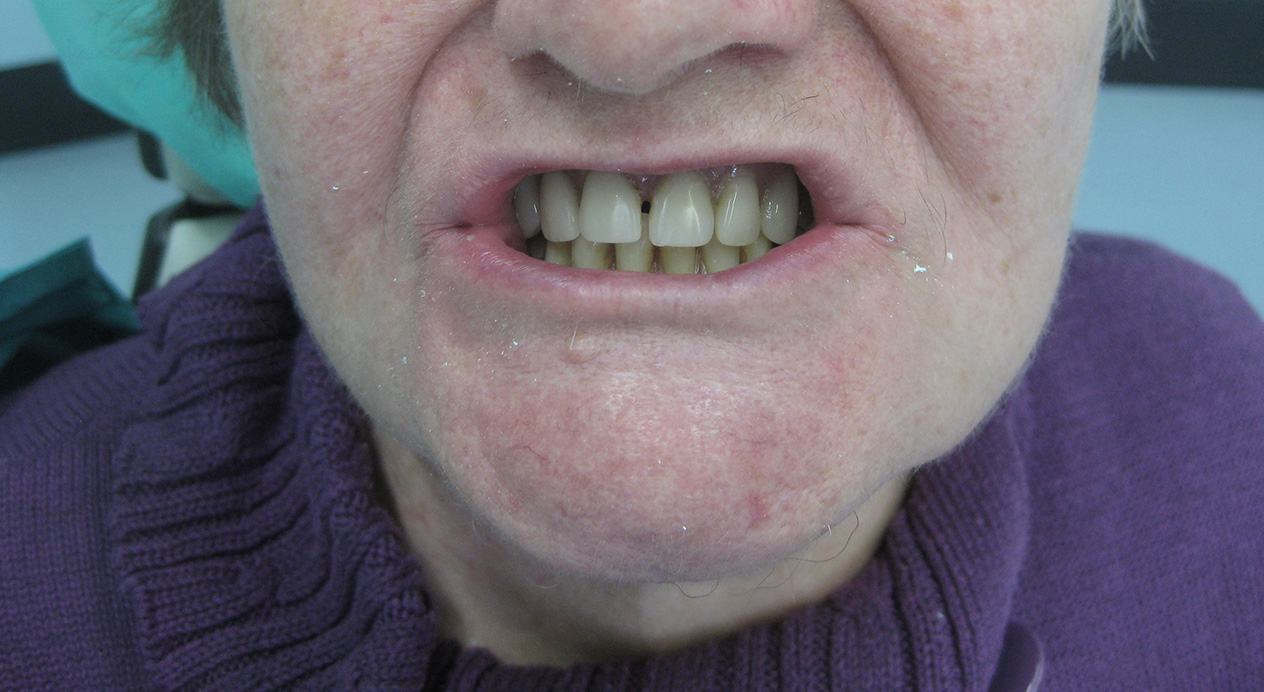
Dental prostheses are prosthetic restorations that restore function and aesthetics in cases of partial or complete tooth loss. In our practice we fabricate all types of prostheses using modern materials and techniques to achieve the best possible outcome for every patient.
Complete dentures: replace all teeth in one or both jaws. They are made from high-quality acrylic with ceramic or composite teeth that closely replicate the appearance of natural teeth.
Partial dentures: replace one or more missing teeth and are supported by the remaining teeth and mucosa. They can be made with a metal framework (cast-metal denture) or flexible materials for greater comfort.
Fixed prostheses: crowns and bridges permanently cemented onto prepared teeth or implants that cannot be removed by the patient.
Removable prostheses: restorations that the patient inserts and removes for hygiene maintenance.
The Fabrication Process
Fabricating a quality dental prosthesis requires expertise and careful attention at every stage:
Clinical examination and planning: a thorough examination of the oral cavity, occlusion analysis, and planning of the optimal solution based on the patient's individual needs.
Impression taking: precise jaw impressions that serve as the foundation for the working model. We use modern impression materials that ensure high accuracy.
Bite registration: recording the inter-jaw relationship so that the prosthesis fits correctly and allows proper chewing.
Trial fitting and adjustment: a trial prosthesis is made in wax to check aesthetics, function, and fit before final fabrication.
Final fabrication and delivery: the prosthesis is fabricated in the laboratory from durable materials and then precisely adjusted in the practice for comfortable wear.
Maintenance and Longevity
Proper maintenance of dental prostheses is essential for their longevity and for oral health:
Daily cleaning: prostheses should be cleaned after every meal with a soft brush and a mild denture cleanser. Avoid abrasive toothpastes.
Overnight soaking: removable prostheses should be stored overnight in clean water or a denture solution to maintain their shape and moisture.
Regular check-ups: visits to the practice every 6 to 12 months to check the fit, condition of the prosthesis, and health of the soft tissues. Over time relining or adjustment of the prosthesis may be necessary.
Professional cleaning: periodic professional cleaning of the prosthesis in the practice helps remove stubborn deposits and maintain aesthetics.
A well-crafted prosthesis with proper maintenance can last for many years, providing the patient with comfort, function, and a pleasant smile.